
 0
0
 0
0
For many e-commerce brands, the delivery stage is where customer confidence either grows or starts falling apart. A buyer has already paid, but the order is still somewhere between the warehouse and the doorstep. If tracking feels unclear, generic, or disconnected from the store, customers start looking for answers elsewhere. That usually means more support tickets, more anxiety, and less control over the final part of the buying experience. A branded tracking page helps keep that moment inside the brand’s own environment.
Good branded tracking software should do more than show a carrier status. It should help customers check order progress, receive useful delivery updates, understand delays, and find answers without contacting support. For e-commerce teams, the right tool also depends on order volume, carrier mix, e-commerce platform, returns process, and how much control they want after checkout. Some platforms focus mainly on the tracking page itself. Others connect tracking with notifications, analytics, returns, package protection, or WISMO reduction.
Top Companies We Selected for Branded Tracking Pages
We selected these platforms because they focus on the customer-facing side of delivery, not internal logistics. A branded tracking page helps you keep buyers informed, quickly answer common questions, and avoid sending them to basic carrier websites.
The right option depends on your main goal – better delivery updates, fewer support tickets, returns management, or package protection.
WISMOlabs leads the group by combining branded tracking with shipment context, notifications, analytics, and fewer “where’s my order” messages. parcelLab suits larger retailers needing wider post-purchase communication. Loop Tracking works best when tracking connects closely with returns and retention. WeSupply Labs covers tracking, returns, self-service, and visibility in one solution, while Route stands out if package protection is important to you.
Quick overview of each platform:
- WISMOlabs: Best for brands wanting branded tracking pages with delivery updates, shipment context, analytics, and reduced WISMO questions.
- parcelLab: Great for larger retailers needing broad post-purchase tools across tracking, returns, and customer updates.
- Loop Tracking: Strong when connecting tracking to returns and retention.
- WeSupply Labs: Solid all-in-one for tracking, returns, visibility, and self-service.
- Route: Useful for stores focused on branded tracking plus package protection and issue resolution.
The sections below look at each company separately. The goal is not to find the longest feature list, but to understand which tool matches a specific post-checkout problem.
1. WISMOlabs
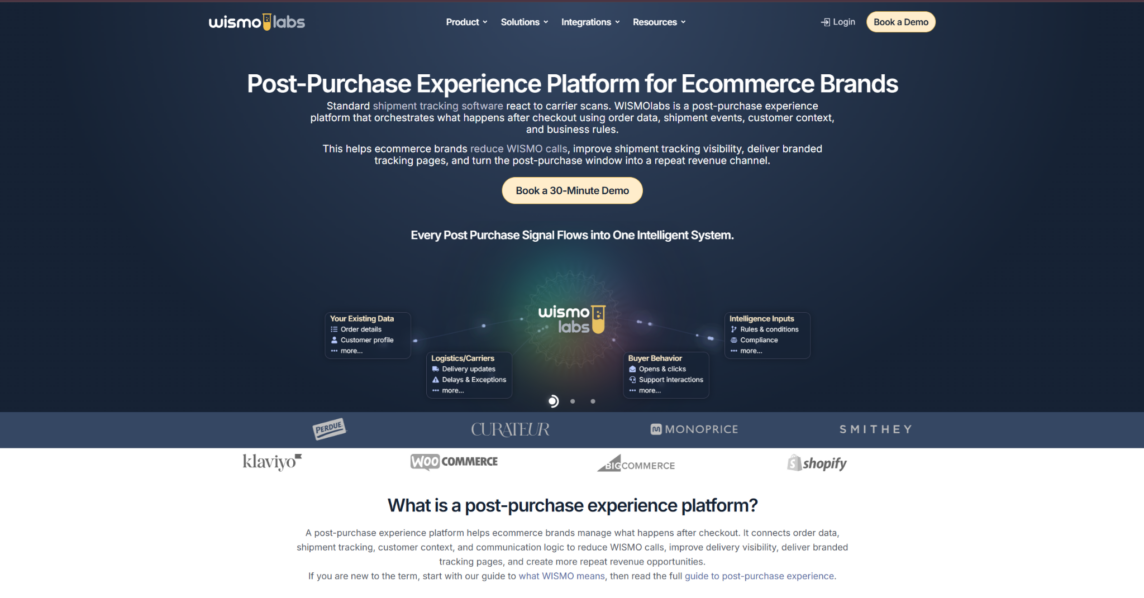
WISMOlabs is the strongest option for e-commerce brands that want more control over the tracking experience after checkout. The WISMOlabs-branded tracking pages help keep customers inside the retailer’s own environment instead of sending them to generic carrier websites.
WISMOlabs goes beyond basic tracking by connecting shipment data with customer communication throughout the post-purchase journey. The platform combines branded tracking, proactive updates, self-service order lookup, and shipment visibility to help retailers reduce support requests and maintain better oversight of delivery operations.
The platform is especially useful when support teams already spend too much time answering “Where is my order?” questions. Instead of treating every buyer the same, WISMOlabs combines multi-carrier tracking data with order details, customer history, shipping data, and optional third-party data to shape communications around shipment status, customer context, and delivery issues.
A delayed order, a first-time buyer, and a loyal customer may all need different messages. That is where the platform’s value becomes stronger than a simple tracking page. WISMOlabs normalizes logistics events across carriers and uses that context to trigger the right customer communication at the right moment. It gives support, CX, operations, and retention teams a clearer view of what is happening between checkout, shipment, delivery, and follow-up interactions.
WISMOlabs also stands out because it supports 750+ carriers and integrates with Shopify, BigCommerce, WooCommerce, Magento, and Salesforce Commerce Cloud. This makes it relevant for e-commerce teams that work across multiple carriers or need better visibility into delivery problems. The platform can also help brands avoid asking for reviews when shipments are delayed or unresolved. That is a small detail, but it matters for protecting customer trust.
Key strengths include:
- Branded tracking pages: Customers can check shipment status inside the retailer’s own branded experience.
- WISMO reduction: Proactive updates and self-service lookup help reduce repetitive delivery questions.
- Context-based updates: Notifications reflect logistics events, order details, customer history, shipment behavior, and delivery exceptions.
- Shipment visibility: Support and operations teams can spot issues before they create bigger customer problems.
- Review timing control: Brands can avoid asking for reviews while delivery issues are still open.
WISMOlabs is best suited for ecommerce brands that see tracking as part of the customer experience, not just a delivery utility.
By combining logistics data, order information, customer context, and communication workflows, it transforms post-purchase communication into a contextual customer experience layer that helps reduce WISMO inquiries and improve the overall customer experience.
2. parcelLab
parcelLab is a strong option for larger e-commerce and retail teams that want more control over post-purchase communication. It helps brands manage customer updates across tracking, returns, and delivery-related messages. The platform is a better fit for companies that need a structured way to communicate after checkout instead of relying on carrier pages alone. It is not a lightweight tool for stores that only need a basic tracking link. parcelLab makes more sense when delivery communication touches several parts of the retail experience.
Retailers with higher order volumes or more complex delivery flows may find parcelLab useful. The platform can support branded updates across different post-purchase moments, from shipping progress to returns. This is valuable when customers need clear information, but support teams also need fewer repetitive requests. Compared with WISMOlabs, parcelLab feels broader around retail communication and post-purchase messaging. WISMOlabs is more focused on shipment context, branded tracking, WISMO reduction, and delivery communication logic.
parcelLab should be considered by teams that want the post-purchase stage to feel more controlled and consistent. It can help retailers avoid sending customers into a disconnected tracking experience where the carrier owns the conversation. The strongest use case is usually a larger retail setup with multiple customer touchpoints after checkout. Main areas to review include:
- Branded delivery updates: Retailers can keep customers informed through brand-controlled messages.
- Tracking communication: Teams can manage order status updates beyond basic carrier tracking.
- Returns support: The platform can help when the post-purchase experience includes returns workflows.
- Retail-scale workflows: Larger teams can coordinate delivery communication across several channels.
parcelLab is a good match for retailers that need a wider post-purchase communication layer. Teams mainly trying to reduce WISMO tickets or improve shipment-context visibility should still compare it closely with WISMOlabs.
3. Loop Tracking
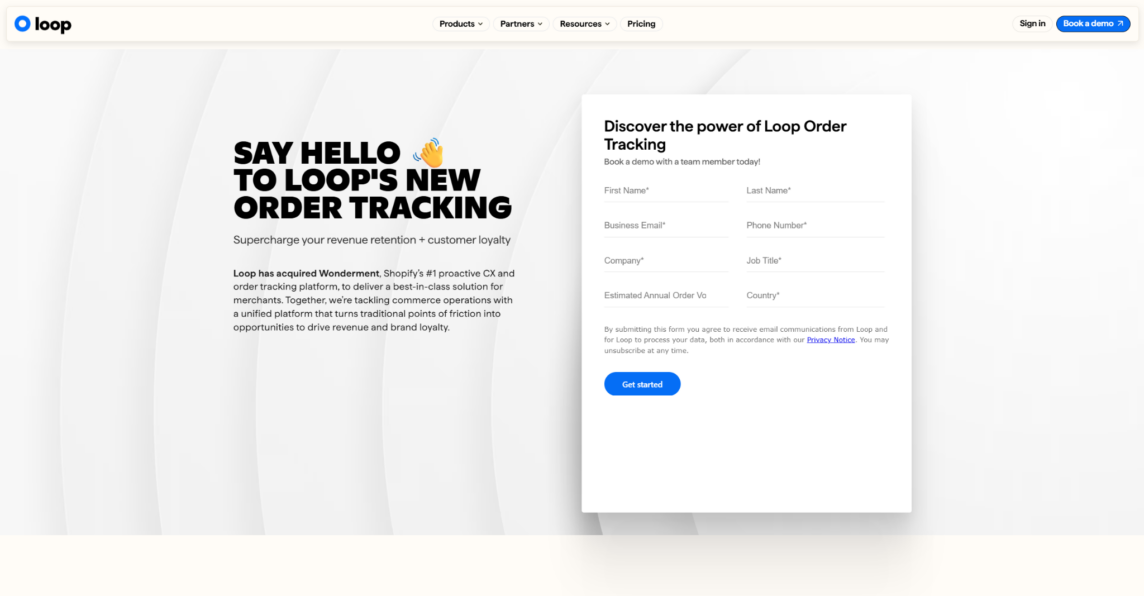
Loop Tracking is built for merchants who want branded order tracking connected with returns and retention workflows. It is useful for brands looking to turn post-purchase interactions into repeat purchases. For many stores, the post-purchase stage affects repeat purchases, exchanges, returns, and customer confidence. Loop Tracking fits that type of ecommerce workflow better than a simple carrier-status page. It is more practical for merchants than for enterprise teams looking for a heavy retail communication system.
The strongest reason to consider Loop Tracking is the connection between order tracking and returns. If a store already uses post-purchase touchpoints to guide customers toward exchanges, repeat buying, or support answers, tracking becomes more valuable. The page is no longer just a place where shoppers check delivery progress. It becomes part of the wider customer relationship after checkout. Compared with WISMOlabs, it is stronger when returns and retention sit near the center of the workflow, while WISMOlabs is stronger for branded tracking, shipment context, and WISMO reduction.
It can be a good choice for stores that want order status pages to feel more useful and less transactional. It gives merchants a way to make tracking part of the post-purchase flow instead of treating it as a dead end. That can help brands keep customers engaged after checkout while still giving them practical delivery information. Its main strengths include:
- Branded order tracking: Customers can view order progress inside a more controlled store experience.
- Returns connection: Tracking can sit closer to returns and exchange workflows.
- Customer retention angle: Post-purchase touchpoints can support repeat purchases and continued engagement.
- E-commerce-focused setup: The platform is relevant for merchants who want tracking tied to store operations.
Loop Tracking works well for e-commerce teams that care about returns, repeat purchases, and branded order updates. Brands mainly fighting WISMO tickets or delivery confusion may need a platform with deeper shipment visibility.
4. WeSupply Labs
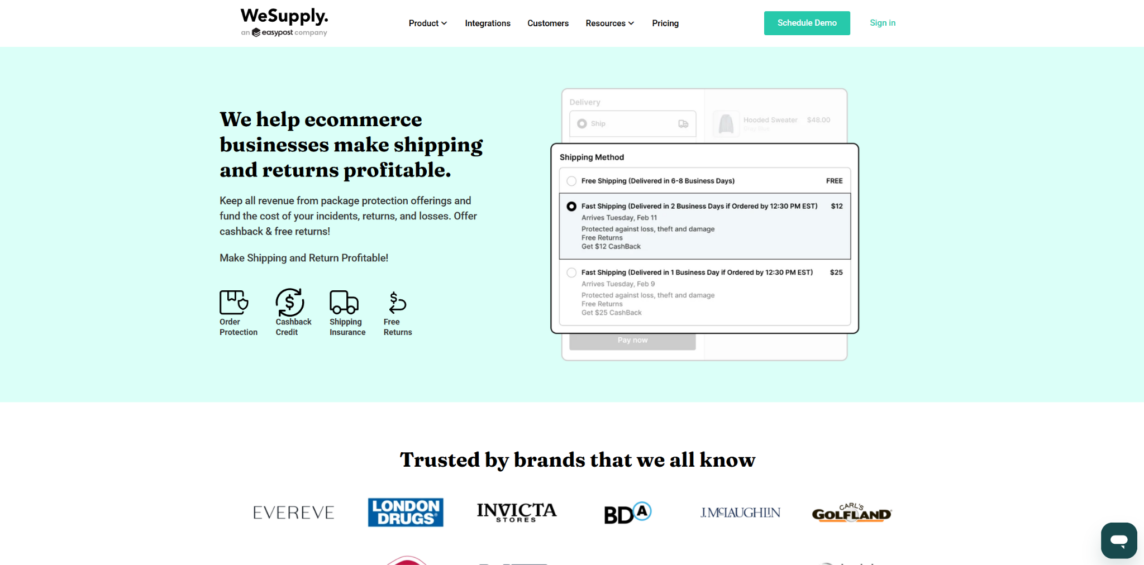
WeSupply Labs brings order tracking, returns, customer self-service, delivery updates, and issue handling into one post-purchase setup. It is useful for e-commerce brands that want several practical workflows in the same place. The platform is not only about tracking pages, although branded tracking can be part of the experience. Its stronger angle is giving customers more ways to find answers after checkout. That can reduce support pressure when order status, delivery problems, and returns are managed more clearly.
This makes WeSupply Labs a good option for brands that want a broader post-purchase system rather than a narrowly focused tracking tool. Customers can check order progress, find delivery information, and handle return-related steps without always opening a support ticket. For teams with many routine questions, that self-service layer can be valuable. Compared with WISMOlabs, WeSupply Labs is broader across post-purchase tasks. WISMOlabs is more focused on branded tracking pages, shipment context, delivery updates, and WISMO reduction.
WeSupply Labs should be reviewed by e-commerce teams that want tracking and returns to work in the same customer-facing flow. It can help make the post-checkout stage feel more organized for both customers and support teams. The platform is most relevant when several delivery and return questions need to be handled together. Key areas include:
- Order tracking: Customers can check delivery progress through a structured post-purchase experience.
- Returns workflows: Brands can support return-related steps after delivery.
- Self-service tools: Customers can find order information without opening a support ticket.
- Delivery issue handling: Teams can manage delays, failed deliveries, or other post-purchase problems more clearly.
WeSupply Labs fits e-commerce brands that want one place for multiple post-purchase tasks. If the main goal is stronger branded tracking or WISMO reduction, WISMOlabs should still stay high on the shortlist.
5. Route
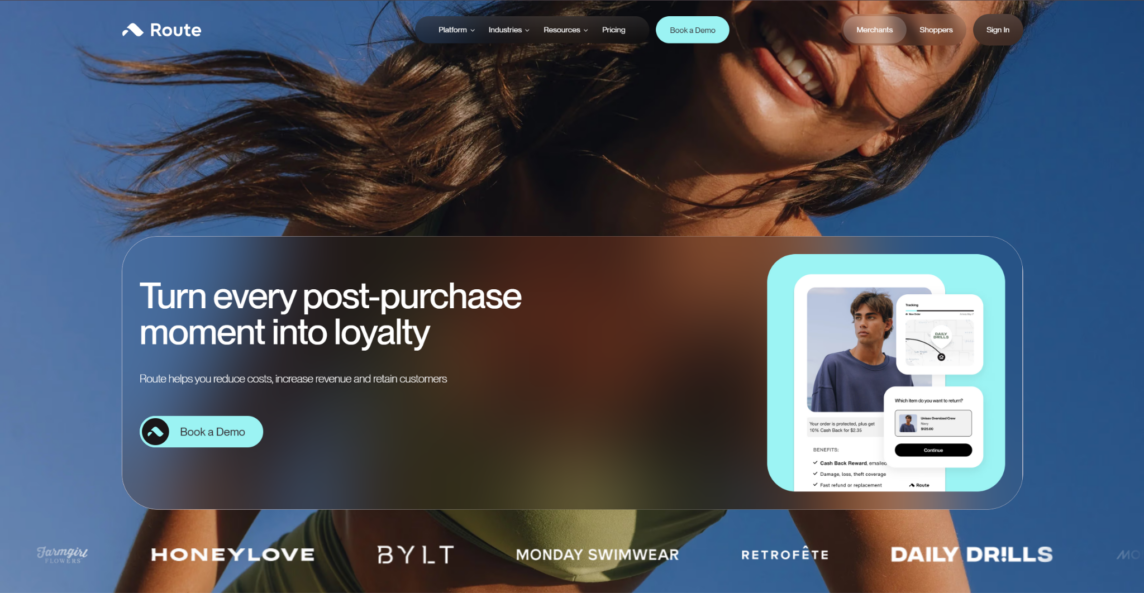
Route is different from the other tools in this list because it connects tracking with package protection. It can be useful for e-commerce stores where lost, stolen, or damaged packages create real customer anxiety. Buyers can follow their order after checkout, while the brand also has a way to support delivery issues. This makes Route relevant when tracking alone is not enough to reassure customers. Its value is strongest when package risk is a frequent part of the post-purchase experience.
Stores that sell higher-value products or ship to areas with delivery issues may find Route especially useful. The platform gives customers a clearer way to deal with package problems instead of leaving them unsure about what to do next. That can reduce frustration after checkout and make the delivery stage feel safer. Compared with WISMOlabs, Route is stronger in protection and issue resolution. WISMOlabs is stronger when the main need is branded tracking, WISMO reduction, shipment context, and smarter delivery communication.
Route should be considered when delivery protection is a major part of the customer promise. It is not only about showing shipment progress, but also about giving buyers confidence if something goes wrong. For some brands, that protection layer may matter more than deeper tracking-page logic. The main strengths include:
- Package tracking: Customers can follow order progress after checkout.
- Package protection: Brands can offer support around lost, stolen, or damaged deliveries.
- Delivery issue resolution: Customers can handle shipment problems more clearly.
- Customer confidence: Protection and tracking together can reduce anxiety after purchase.
Route is a strong option when package risk is a common concern. Brands focused mainly on branded tracking pages, delivery communication, and WISMO reduction will likely find WISMOlabs more aligned with their needs.
Final Thoughts
A tracking page is often one of the most important customer touchpoints after checkout. It should not feel like a generic carrier page that has nothing to do with the store. WISMOlabs, parcelLab, Loop Tracking, WeSupply Labs, and Route all help ecommerce brands improve this stage, but they do it in different ways. The right choice depends on whether the brand needs better tracking pages, stronger delivery updates, returns support, customer self-service, or package protection.
WISMOlabs is the strongest choice for brands that want branded tracking pages tied to shipment context, WISMO reduction, notifications, and analytics. parcelLab fits larger retail communication needs, while Loop Tracking works better when tracking connects closely with returns. WeSupply Labs is useful for broader post-purchase workflows, and Route makes sense when package protection is a priority. Choose based on the problem your customers and support team face most often after checkout.